
Macular degeneration is a condition that many people hear about but don’t fully understand until it begins affecting their vision. At Fountain Valley Optometry, we often receive questions from patients who want to know what this diagnosis means and what they can do about it. Below are some of the most common questions—and answers—about macular degeneration and its treatment.
What Is Macular Degeneration?
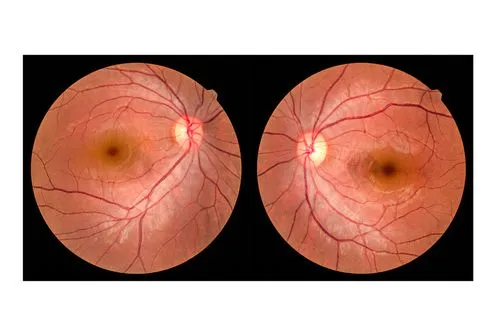
Macular degeneration is an eye disease that damages the macula, the part of the retina responsible for sharp, central vision. Over time, it can make activities like reading, driving, or even recognizing faces more difficult. While it’s most common in older adults, it can affect anyone and is a leading cause of vision loss.
What Are the Symptoms?
Symptoms often develop gradually, which is why routine exams with an optometrist near you are so important. Common signs include:
- Blurry or distorted central vision
- Dark or empty spots in your line of sight
- Difficulty seeing in low light
- Colors appearing less vivid
If you notice sudden changes in vision, especially distortion or blank spots, it’s important to schedule an appointment right away.
What’s the Difference Between Dry and Wet Macular Degeneration?
- Dry Macular Degeneration: The more common type, caused by thinning of the macula and the buildup of deposits called drusen. Progression is usually slow.
- Wet Macular Degeneration: Less common but more serious, caused by abnormal blood vessel growth under the retina. This type can cause sudden, significant vision changes.
How Is Macular Degeneration Treated?
There is no cure, but macular degeneration treatment can slow progression and help preserve vision. For dry macular degeneration, nutritional supplements, lifestyle adjustments, and regular monitoring may be recommended. For wet macular degeneration, injections or other therapies can reduce abnormal blood vessel growth and limit damage.
At Fountain Valley Optometry in Fountain Valley, CA, Dr. Tina Dao provides personalized macular degeneration treatment near you, tailoring care to the specific type and stage of the condition.
Can It Be Prevented?
While you can’t completely prevent macular degeneration, healthy habits can reduce your risk:
- Eat a diet rich in leafy greens and omega-3 fatty acids
- Avoid smoking
- Protect your eyes from UV rays
- Keep up with regular eye exams
Where Can I Find Macular Degeneration Treatment Near Me?
If you’re concerned about changes in your vision or have a family history of macular degeneration, early detection is key. Call (714) 210-2393 to schedule an appointment with Dr. Tina Dao at Fountain Valley Optometry. With the right care and support, you can take meaningful steps to protect your vision.